When hail strikes, the most obvious damage is often physical: dented vehicles, broken glass, or flooded lots. But for parking lot owners, there’s another layer of risk—liability.
If a customer, tenant, employee, or partner experiences vehicle damage or injury due to hail while on your property, your business could be held financially and legally responsible. In hail-prone regions, this makes hail netting not just a smart investment—but a powerful tool to reduce liability exposure.
Understanding Liability in Parking Lots
Whether you operate a retail center, commercial building, residential complex, or municipal lot, your business has a duty of care to people and property on-site.
Your business may face legal or reputational consequences if:
- A customer’s vehicle is damaged during a hailstorm
- An employee is injured while walking through the lot
- A vehicle becomes undrivable and creates a safety hazard
- A third-party service provider files a claim after an incident
These claims may not always be covered by insurance—and even when they are, legal fees, reputation damage, and higher future insurance premiums can still hurt your business.
Learn More >> Peace of Mind: Protecting Your Business and Reputation from Hail Damage
How Hail Netting Reduces Liability
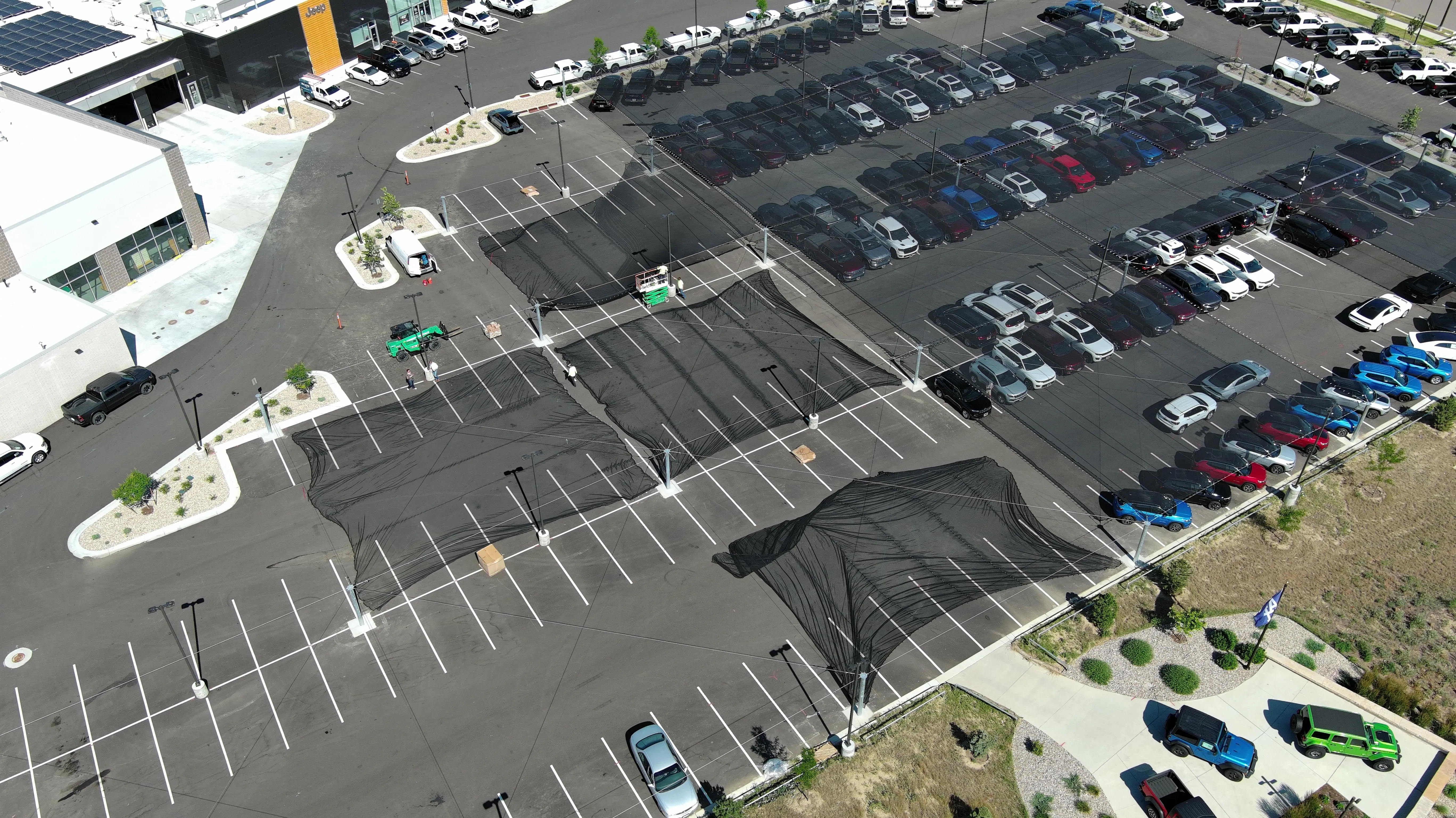
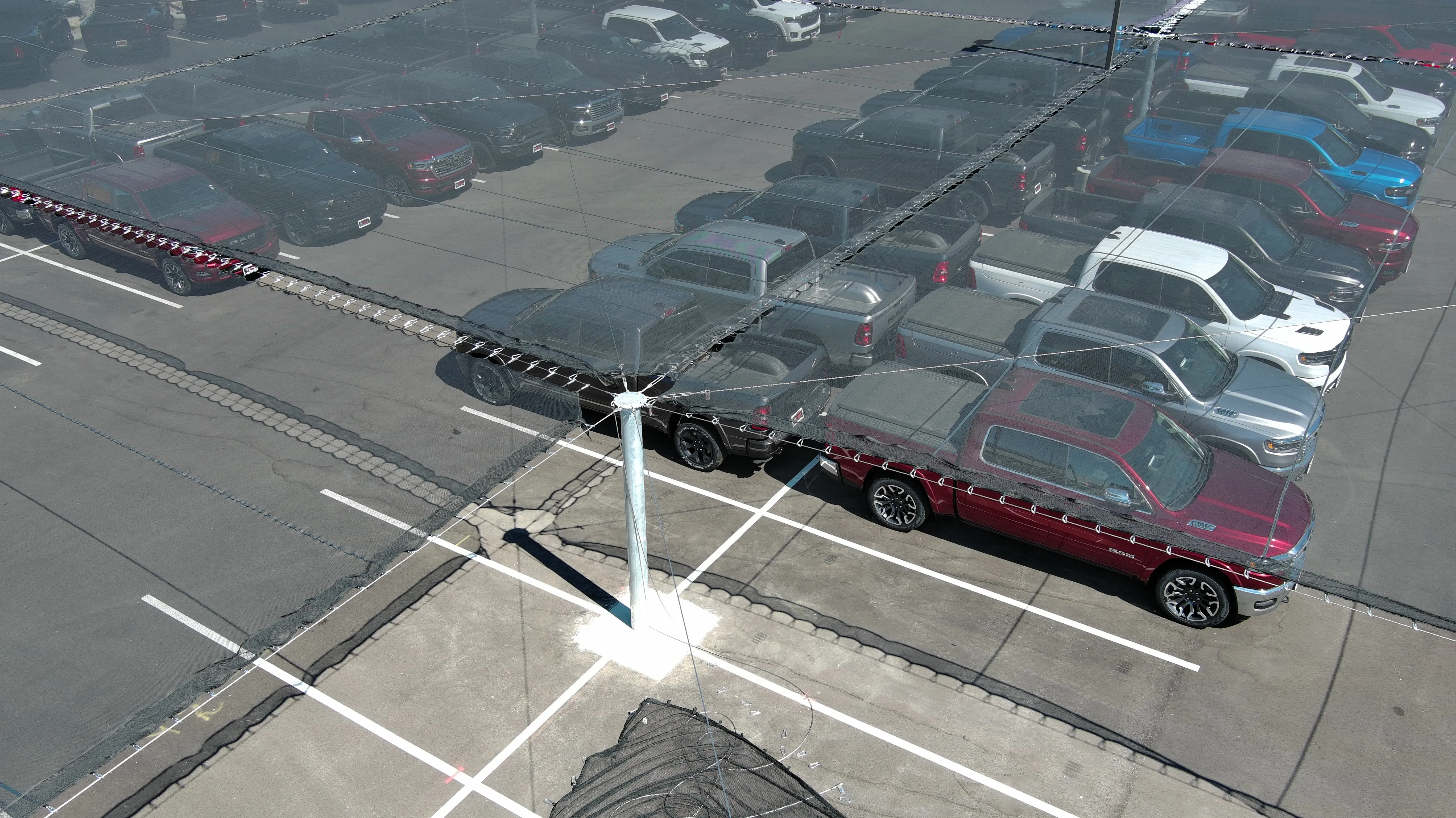
Hail netting systems are designed to physically block or absorb the force of hailstones before they impact vehicles, structures, or people. By installing a protective system over your lot, you take a proactive step to reduce:
Vehicle Damage Claims
If a customer’s or tenant’s car is damaged in your lot, they may file a claim against your property insurance—or sue directly for negligence. Hail netting demonstrates due diligence in preventing foreseeable damage.
Personal Injury Risk
Falling hailstones can injure anyone walking through your lot—especially during large, fast-moving storms. Netting offers added protection to people on foot or exiting vehicles.
Legal Exposure
Having visible hail protection reduces your legal exposure. If an incident occurs, your documented investment in risk mitigation helps show you took reasonable precautions, which can limit liability or prevent claims altogether.
Reputational Risk
Customers and tenants remember where their vehicles were damaged. Offering protected parking builds goodwill—and protects your brand.
Real-World Legal Scenarios
- A luxury car dealership in Colorado faced multiple lawsuits from customers after a storm severely damaged over 100 customer and loaner vehicles left outdoors. Source: CPR.org
- A customer reported hail damage to their car while it was parked in a dealership’s service bay during a hailstorm. They questioned whether the dealership’s insurance should cover the repairs. Legal advice indicated the dealer has a duty to safeguard customer property when they have custody of the vehicle. Source: AAVO.com
In many cases, these outcomes could have been avoided or minimized with hail netting in place.
What Makes Hail Netting a Strong Liability Tool?
Not all hail protection is created equal—but tensioned hail netting systems (like those from Hail No®) offer key advantages:
- Custom-engineered for site layout and vehicle flow
- Made with UV- and fire-resistant high-strength mesh
- Engineered to handle high winds, heavy snow, and large hail
- Fast to install and easy to maintain
- Long-term durability and minimal upkeep costs
Most importantly, they provide visible, proactive protection—a key factor when proving risk mitigation to insurers, courts, or customers.
Related Article >> How Effective Are Hail Nets at Preventing Damage?
A Preventive Step That Pays Off
Reducing liability isn’t just about covering costs after something goes wrong—it’s about taking steps that protect your business from risk in the first place.
Hail netting helps you:
- Prevent damage before it happens
- Limit legal and financial exposure
- Protect your business’s reputation
- Demonstrate responsibility to insurers and stakeholders
Parking Lots Need Proactive Hail Protection
If you're operating in a hail-prone region and own or manage an uncovered parking lot, it's no longer a question of if damage or liability could occur—but when.
With hail netting, you’re taking a clear, documented step toward protecting your business, your customers, and your bottom line.